
Ohio winters are hard on floors: rock salt tracked across entryways, slush pooled by the door, then bone-dry forced-air heat from January to March. Some floors shrug it off; others get ruined in one season. Here's what holds up.
Entry Zones: Waterproof or Nothing
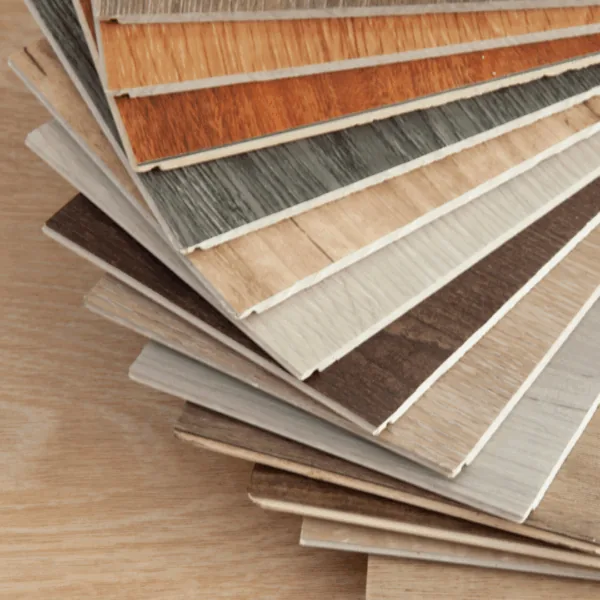
The mudroom and front entry take the season's worst. Luxury vinyl plank handles melted snow and salt residue without staining or swelling. Wood floors in an entry can work with good mats and fast cleanup, but be honest about your household - if boots pile up, go waterproof.
Salt Is an Abrasive, Not Just a Stain
Rock salt doesn't just leave white residue - it's gritty, and every footprint grinds it into floor finishes. A textured entry mat outside and inside traps most of it; sweep (not just mop) entry floors during salt season, because mopping pushes grit into seams.
Dry Heat Shrinks Wood
Indoor humidity in an Ohio January can drop below 25%, and wood floors respond by gapping and sometimes cracking. A humidifier set to hold 35-45% relative humidity protects your floors and your sinuses. Engineered hardwood tolerates the swings better than solid, which is worth considering if your furnace runs hard.

Warm Floors for Cold Mornings
- Laminate over a quality underlayment feels warmer in bedrooms than a bare slab.
- Underlayment under LVP takes the chill off slab-on-grade rooms.
- Area rugs on hard floors add warmth and protect high-traffic lanes.
- Consider radiant-ready options if you're planning a bath remodel.
Get your home winter-ready
Schedule a free estimate before the snow flies