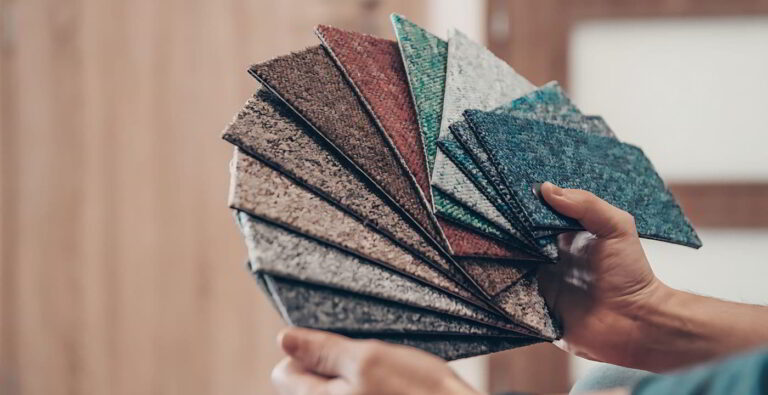
Carpet salespeople love jargon - frieze, solution-dyed, face weight - and it's easy to pay for features you don't need or miss the ones you do. This guide cuts to what actually changes how carpet performs in a Tri-State Area home.
Pile Types and Where They Belong
| Pile | Feel | Best For |
|---|---|---|
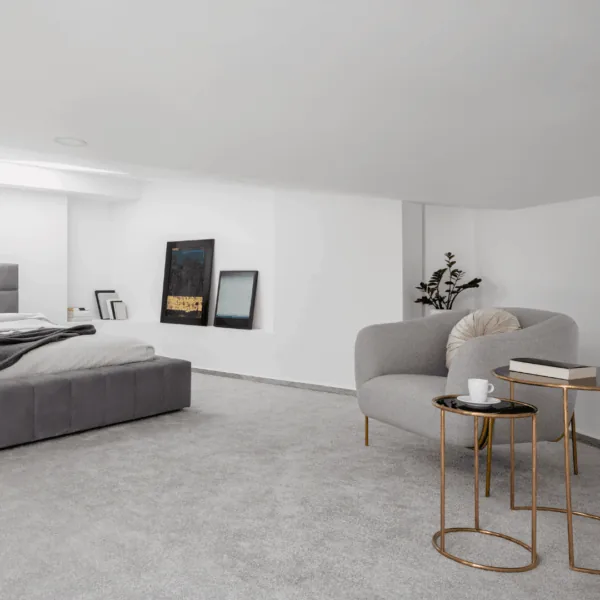
| Plush / Saxony | Soft, formal | Bedrooms and low-traffic rooms |
| Frieze (twisted) | Casual, hides tracking | Family rooms |
| Loop (Berber) | Dense, durable | Basements, offices - not pet claws |
| Cut-and-loop | Textured patterns | Hides wear in busy areas |
Padding Is Half the Floor
The pad underneath absorbs the impact that would otherwise crush carpet fibers. We recommend 7/16-inch, 6-8 pound density rebond pad for most homes - it costs a little more than the bargain roll but adds years to the carpet's life. For stairs, firmer padding prevents the flexing that breaks down carpet backing.
Stain and Pet Claims - Read the Fine Print
'Pet-proof' carpets differ wildly. Look for built-in stain resistance in the fiber itself (not just a topical treatment that washes out), and for pet urine warranties that actually cover replacement, not just spot treatment. We stock lines with waterproof backings that keep accidents from reaching the pad at all - ask to see them in our Bryan showroom.
What Should Carpet Cost?
Installed carpet in our area typically runs $2-$9 per square foot including pad and installation, depending on fiber and weight. Stairs are priced separately because they're slow, hand-fit work - see our carpet stairs page for details. The only way to know your number is an in-home measure: request a free estimate and we'll bring samples too.
Feel the difference in person
Book your free carpet consultation